|
The Core Difference Between "Low-Sensitivity" and "Anti-Allergic" Textiles
During pollen seasons in spring and autumn, when changing bedding or petting cats, many people experience skin redness, nasal congestion, coughing, wheezing, or hives. Infants, sensitive-skinned individuals, and those with asthma are especially prone to allergies year-round. On the market, home textile and apparel brands frequently promote products as "low-allergenic" or "anti-allergic," yet most consumers cannot distinguish between these terms and often confuse them. Today, based on new industry standards and authoritative testing data, we will comprehensively explain the differences in principles, standards, technologies, and practical applications, while revealing how modified fibers and functional textile auxiliaries can fundamentally block allergens.
1. Low sensitivity ≠ anti-allergy! Distinguish between these two concepts, allergens, and authoritative testing standards
Four Major Categories of Common Household Allergens
The culprit behind allergies is not the fabric itself, but rather allergenic protein particles attached to the textile. Allergens are primarily divided into the following four categories:
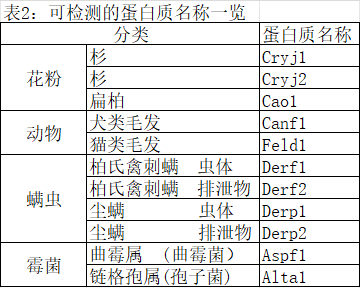
The primary allergens are pollen and mites. During spring and autumn, outdoor pollen attaches to fabrics via the air and often triggers allergies when inhaled. Mites commonly thrive in mattresses, bedding, and upholstered sofas; their excrement and body fragments contain allergenic proteins that can cause allergic reactions such as dermatitis and rhinitis upon contact.
Low sensitivity vs. anti-allergy: the core logic is entirely different
Hypoallergenic textiles: The core principle is minimizing irritants by eliminating formaldehyde, allergenic dyes, and heavy metals throughout the production process. The fabric itself contains no irritating substances, reducing the risk of skin irritation upon contact. However, this approach only avoids potential allergens and does not break down or remove external allergens. Suitable for individuals with mild sensitivities, infants, and those without allergies to pollen, dust mites, or pets.
Anti-allergy textiles: The core principle is to break down and eliminate allergens. Through fiber modification and functional additives, they actively capture and decompose allergenic proteins, directly reducing the concentration of allergens in the environment and blocking allergic reactions at their source. Suitable for individuals with dust mite allergies, pet-owning households, hay fever, asthma, and those with severe sensitivities.
Low Sensitivity vs. Anti-Allergy: Authoritative Testing Standards
T/CNTAC 212-2024 "Hypoallergenic Bedding"
Focusing on the hypoallergenic segment, this is the only finished product standard in China specifically named with "hypoallergenic" (for bedding products). It regulates chemical irritants such as formaldehyde, heavy metals, and pH levels in home textile fabrics, while specifying that finished products must be non-irritating without requiring testing for allergen degradation capability. This standard serves as the compliance basis for "hypoallergenic bedding" available on the market.
FZ/T 01189-2026 "Textiles—Method for Evaluating Suitability for Sensitive Skin"
Centered on human skin wear trials, this standard simulates long-term direct contact scenarios to assess fabric irritation levels on sensitive skin, thereby strengthening the basis for human testing of low-irritation products. However, it does not evaluate the removal efficiency of allergens such as dust mites, pollen, or pet dander.
ISO 4333-2022 International Standard for Allergen Resistance Testing
This dedicated allergen testing method specifically evaluates fabrics' 24-hour removal rates of allergenic proteins from dust mites, animal dander, and pollen. It provides quantitative data to demonstrate the fabric's ability to degrade allergens and is the authoritative method uniformly adopted in our product test reports.
II. Two Main Approaches to Achieving Allergy-Resistant Textiles
Route 1: Raw Material Intrinsic Modification – Anti-Allergic Functional Fiber
The anti-allergic functional component is embedded into the fiber molecular structure during the fiber production stage, ensuring long-lasting functionality locked within the fiber. This makes it a native functional material capable of being spun and woven into various fabrics.
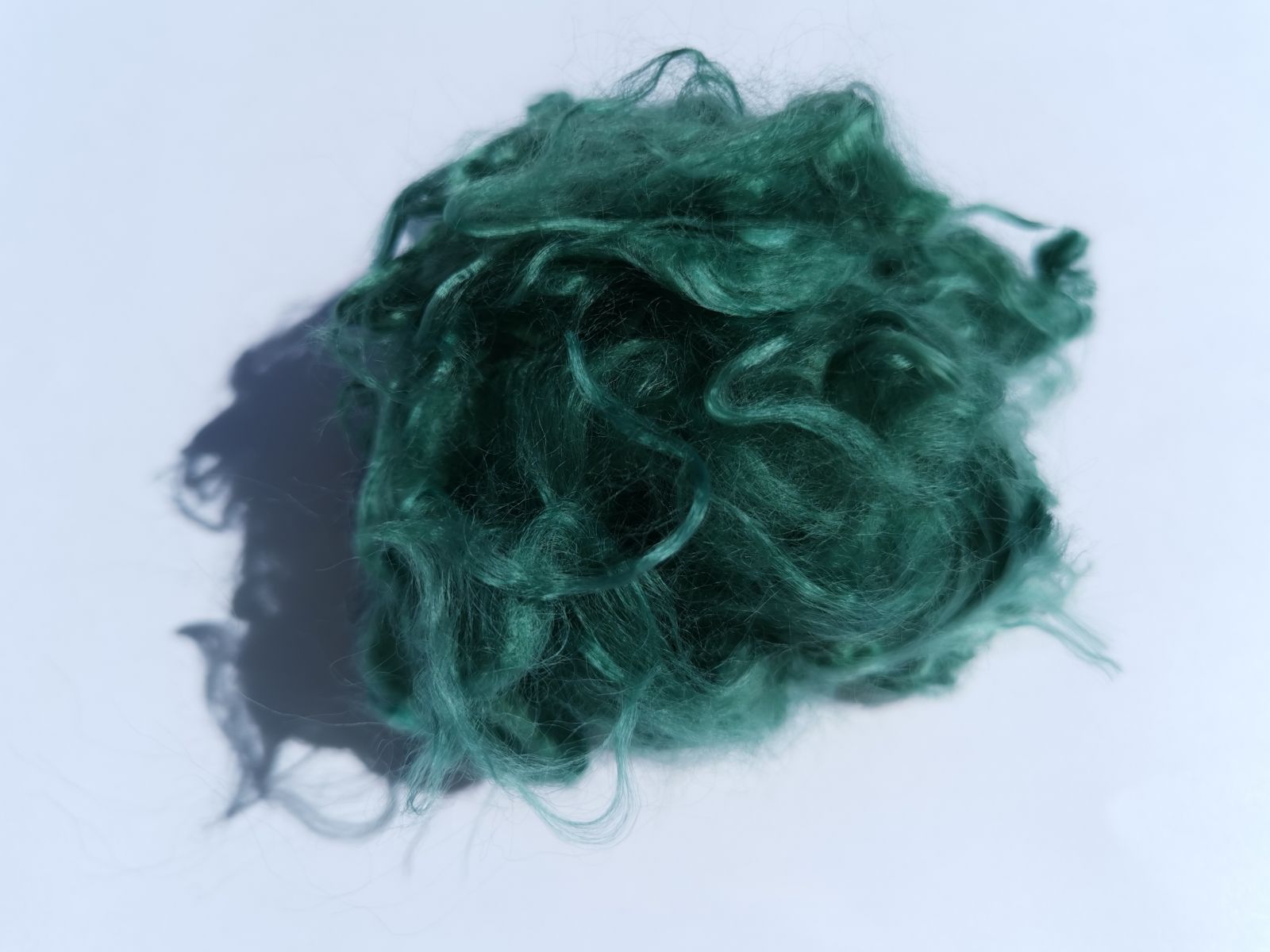
The image below shows Yaku纶 fiber, an anti-allergic functional fiber developed and produced by Shanghai Jiecon.
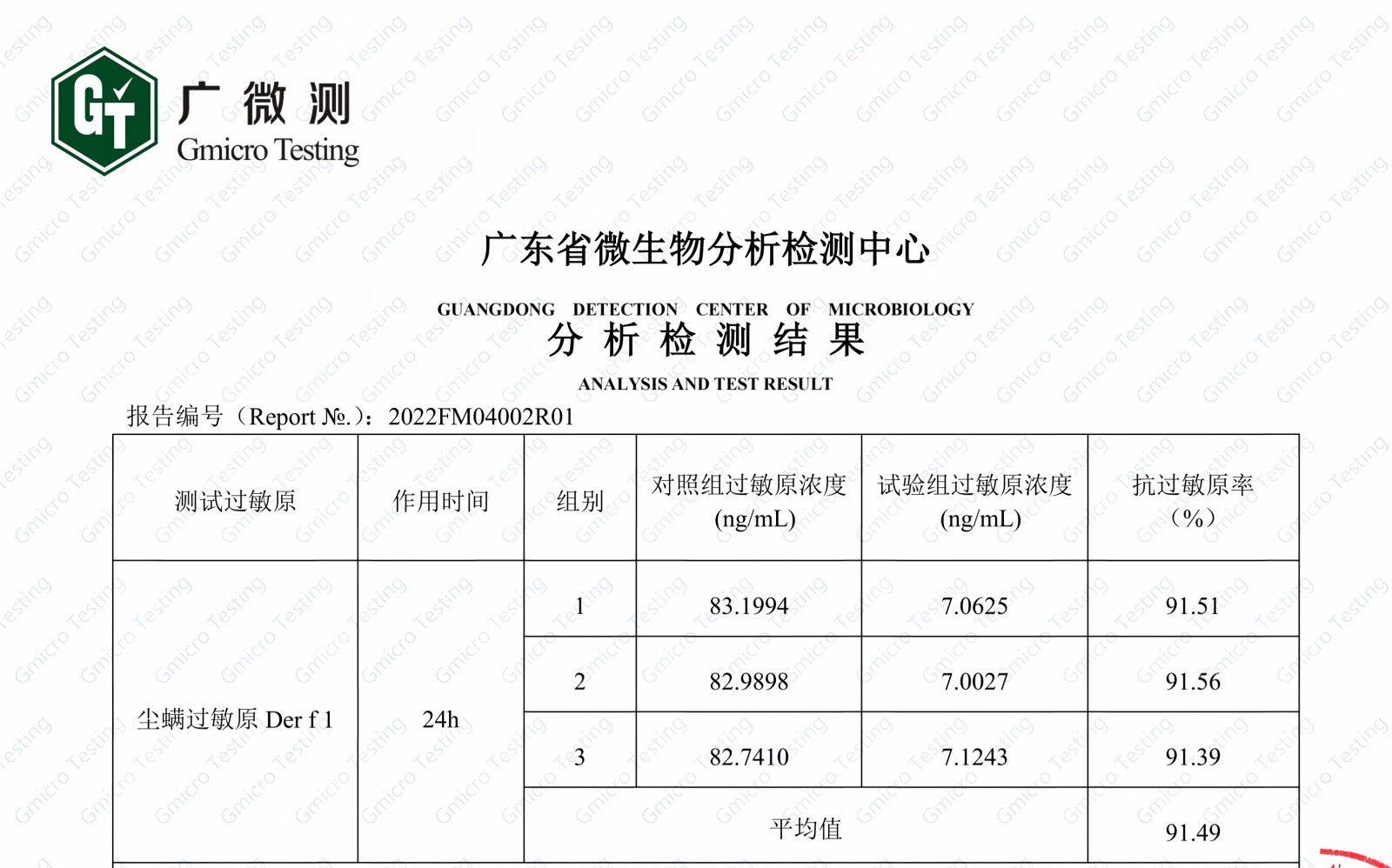
Test report data as follows:
Test Report No.: 2022FM040002R01; Sample: Antibacterial, Antiviral, and Anti-Allergenic Acrylic Fiber; Tested for dust mite allergen reduction. The report shows an average allergen removal rate of 91.49%, effectively degrading the core allergenic proteins of dust mites.
Route 2: Post-Treatment Enhancement – Anti-Allergy Finishing Auxiliaries
For existing finished fabrics such as polyester, cotton, and mattress fabrics, a specialized anti-allergy finishing agent is applied through padding and coating processes, effectively imparting strong anti-allergy properties to ordinary textiles at low cost.
1. Photocatalytic Anti-Allergy Finishing Agent JYK TIO30
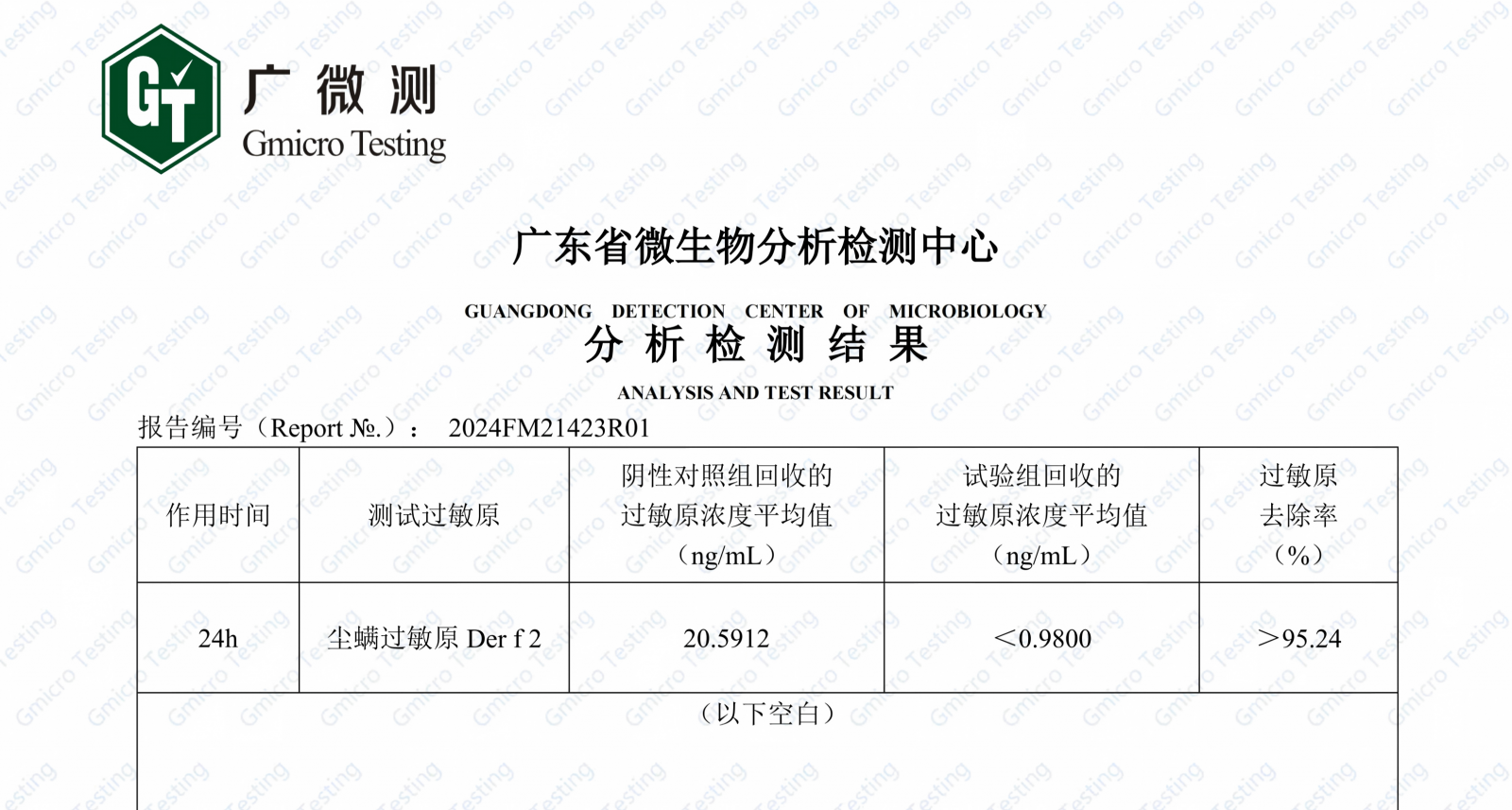
Report No.: 2024FM21423R01
Photocatalytic finishing agent specifically for mattress fabrics, with a removal rate of Der f2 allergens from dust mites exceeding 95.24% within 24 hours.
Certified by a Japanese third-party testing agency, it reduces house dust mite allergens by 81.9% and cedar pollen Cry j1 by 88.0%. It continuously breaks down allergens under light exposure, making it the top choice for long-lasting anti-allergy protection in mattresses and curtains.
.png)
2. Anti-allergic finishing agent JYK AA-ZLP
Report No.: 2025FM15695R01
Test results show a removal rate of up to 96.83% for Fel d 1 allergen from cat dander within 24 hours, significantly reducing the concentration of pet-induced allergenic proteins in homes and effectively addressing allergy concerns for cat owners.
-AA-LZP_03.png)
3. Anti-Allergy Fibers & Additives for Full-Scenario Applications
(1) Textile Products for Direct Skin Contact
Applicable Products: Sleepwear, thermal underwear, infant and toddler undergarments, sportswear with moisture-wicking properties, base layers, medical dressings
.jpeg)
(2) Air Filtration Category
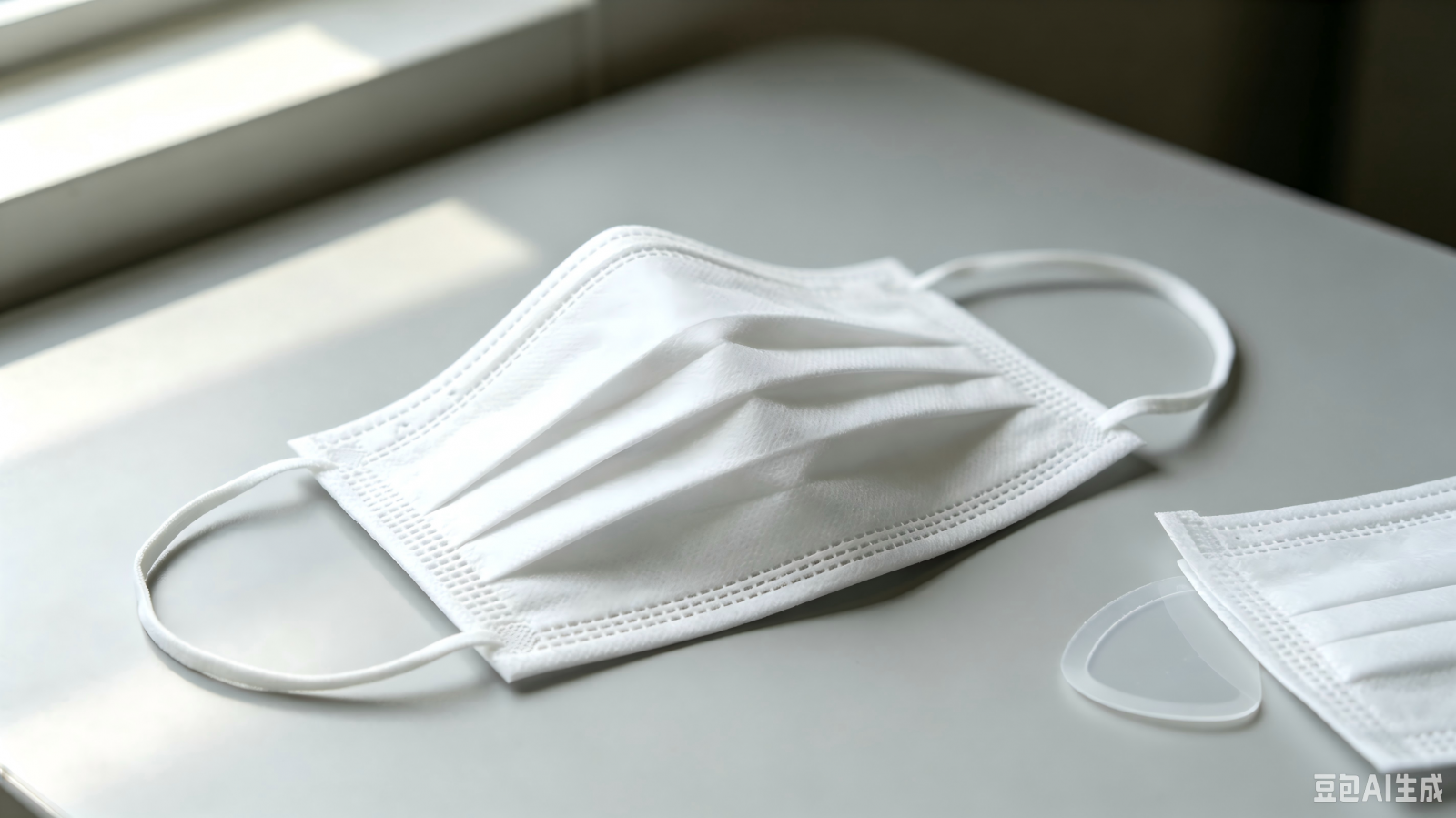
Applicable Products: Civilian protective masks, purifier/air conditioner filters, vehicle air conditioning filter elements
(3) Home Textiles
Applicable Products: Mattress Fabrics, Duvet Covers and Pillowcases, Cat and Dog Pet Beds, Upholstered Sofas, Latex Pad Covers
.jpeg)
(4) Automotive Interior Category
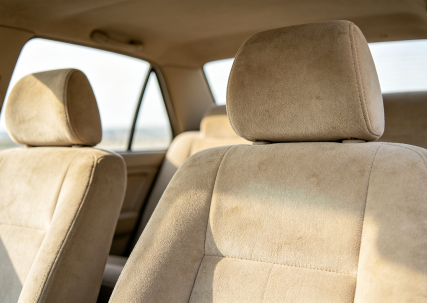
Applicable Products: Car seat fabric, ceiling lining, floor mat fabric
For over 21 years, Shanghai Jiecon Chemicals has been dedicated to anti-allergy textile auxiliaries and functional fibers. We independently developed the full range of JYK anti-allergy finishing agents andYakulun native anti-allergy fibers, which have been tested and certified by authoritative testing institutions. Our solutions cover the entire industrial chain—including apparel, home textiles, filtration, and automotive applications—providing one-stop anti-allergy functional solutions for fabric mills, home textile brands, and filter material manufacturers. Allergy protection no longer requires passive avoidance; instead, we use technology to actively break down allergens, creating an allergy-free living environment for sensitive individuals, families with infants and young children, and pet owners.
We welcome customers with product development needs to contact us at any time!
|


